
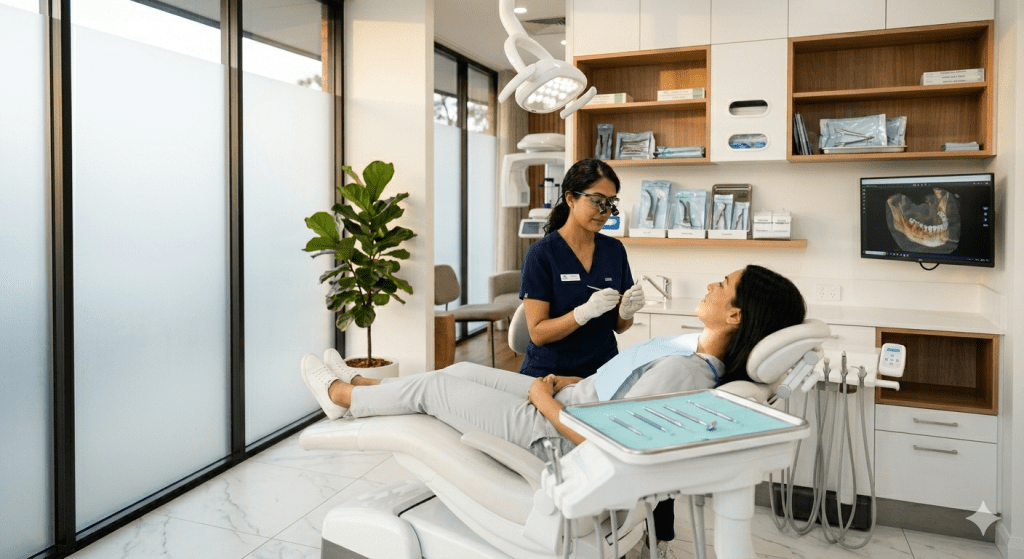
Dental emergencies can happen at any time, and when they do, finding reliable care quickly is essential. In Prescott, AZ, emergency dentists are available to provide prompt treatment for issues like severe tooth pain, broken teeth, or lost fillings. An emergency dentist in Prescott can offer immediate relief and prevent further damage with timely, professional care.
These dental professionals understand that emergencies can be stressful, so they focus on patient comfort and clear communication. They use modern tools to diagnose and treat problems efficiently, whether it’s a chipped tooth or an infection that needs urgent attention.
Knowing where to turn during a dental emergency can make a big difference. Prescott’s emergency dentists are ready to help patients recover quickly and get back to their daily lives, making their services a crucial part of the local healthcare network.
Recognizing Dental Emergencies
Dental emergencies vary widely, but knowing the key signs can help you respond quickly and prevent further damage. Some situations require immediate action, while others can wait for a routine appointment.
Common Signs and Symptoms
A dental emergency often includes severe pain that doesn’t improve with over-the-counter medication. Intense throbbing, swelling around the mouth or jaw, and bleeding that won’t stop are clear warnings. A broken or knocked-out tooth is urgent, especially if the root is exposed.
Other signs include difficulty breathing or swallowing after an injury, persistent bad taste or odor, and sudden sensitivity that disrupts eating or drinking. In these cases, prompt dental care is crucial to avoid complications.
What Is Not Considered a Dental Emergency
Not every dental issue needs emergency treatment. Mild toothaches that respond to painkillers or sensitivity triggered by hot and cold foods usually can wait until regular office hours. Cosmetic concerns like chipped teeth without pain or discoloration also fall outside emergency care.
Loose braces or wires that don’t cause pain aren’t urgent but should still be fixed soon. Small sores or ulcers in the mouth, unless accompanied by severe pain or swelling, generally do not require immediate attention.
When to Seek Immediate Help
Seek emergency care if a tooth is knocked out or fractured and bleeding heavily. Difficulty breathing or swallowing after facial trauma needs urgent attention. Sudden, severe pain or swelling that spreads to the neck or cheek indicates infection risk.
Uncontrolled bleeding after dental work or injury and broken dental appliances causing pain also call for quick appointments. When in doubt, opting for faster care can prevent worsening conditions and avoid more complex treatments later.
Types of Urgent Dental Issues
Dental emergencies vary widely but usually involve sudden pain, damage to teeth, or injuries requiring immediate attention. Knowing how to recognize and respond to these problems can help prevent further complications and reduce discomfort.
Severe Toothache Relief
A severe toothache often signals an infection, nerve damage, or an abscess. The pain can be sharp, throbbing, or constant and may worsen with heat, cold, or pressure. Immediate care focuses on identifying the cause through an exam and possibly X-rays.
Treatment may include draining an abscess, prescribing antibiotics, or root canal therapy to save the tooth. Over-the-counter pain relievers can help until professional care is available. Patients should avoid extremely hot or cold foods and practice gentle oral hygiene to prevent aggravation.
Treating Broken or Chipped Teeth
Broken or chipped teeth happen from accidents, bites, or chewing hard foods. Even a small chip can expose the inner layers of the tooth, leading to sensitivity or infection if untreated. Prompt dental care can restore the tooth’s appearance and function.
The dentist may smooth rough edges, bond composite resin, or apply veneers or crowns for larger damage. In severe cases, a root canal or extraction might be needed. It’s important to save any broken pieces and bring them to the appointment for possible reattachment.
Managing Knocked-Out Teeth
A knocked-out tooth is a dental emergency requiring immediate action to improve chances of saving it. The tooth should be handled carefully by the crown and rinsed gently without scrubbing the root. Avoid touching roots to prevent damage.
If possible, place the tooth back into the socket or keep it moist in milk or a tooth preservation solution. Quick transport to the dentist, ideally within an hour, is crucial. Reimplantation, splinting, and follow-up care help maintain the tooth’s viability and prevent infection.
What to Expect During Your Emergency Visit
Visiting an emergency dentist in Prescott, AZ, involves several focused steps to quickly ease pain and address dental issues. Patients can expect a streamlined process designed to identify the problem and begin treatment promptly.
Initial Assessment and Comfort Measures
When a patient arrives, the dentist first evaluates their pain level and the severity of the dental emergency. This involves asking questions about symptoms, how the injury or pain started, and any relevant medical history.
Comfort is a priority. Before any examination, the dental team often provides pain relief options, such as local anesthesia or over-the-counter painkillers, to help the patient relax.
The dentist may also offer ice packs or rinse options to reduce swelling and discomfort immediately after the assessment. This early attention helps make the next steps more manageable for the patient.
Diagnostic Procedures
Next, the dentist performs a careful physical exam of the mouth, teeth, and gums to identify visible damage or infection.
In many cases, diagnostic imaging like digital X-rays will be used. These images help reveal issues below the surface, such as root fractures, abscesses, or impacted teeth that aren’t visible externally.
Additional tests might include checking tooth mobility or sensitivity to temperature to better understand the problem.
The goal is to gather enough information quickly so the dentist can make an accurate diagnosis and plan treatment.
Personalized Treatment Plans
Once the problem is identified, the dentist explains treatment options, considering the patient’s comfort, medical history, and urgency of care.
Treatment might range from simple procedures like cleaning and topical medication to more complex actions such as tooth extraction, root canal therapy, or temporary restorations.
The plan focuses on relieving pain and preventing further damage, often combining immediate care with recommendations for follow-up visits.
Patients receive clear instructions about aftercare, signs to monitor, and when to seek additional help, ensuring they feel supported through the recovery process.
Immediate Steps Before You Arrive
Taking prompt and careful action can protect your teeth and ease discomfort before you reach the emergency dentist. Small steps taken right away help preserve damaged teeth and reduce swelling or pain.
Protecting Your Tooth and Gums
If a tooth is knocked out, gently pick it up by the crown, not the root, to avoid damage. Rinse the tooth with milk or saline solution—never scrub or use soap. If possible, place the tooth back in its socket or keep it moist in a cup of milk or saliva.
For broken or cracked teeth, avoid chewing on that side of the mouth. Use sugar-free gum or dental wax to cover sharp edges and protect your tongue and cheeks from cuts.
Avoid touching exposed nerves or roots. If bleeding occurs, apply gentle pressure with clean gauze or a cloth until it stops.
Reducing Pain and Swelling
Rinse the mouth gently with warm salt water to clean the area and reduce bacteria. Take over-the-counter pain relievers like ibuprofen or acetaminophen to manage discomfort, but avoid aspirin as it can increase bleeding.
Apply a cold compress or ice pack wrapped in a towel to the outside of your cheek near the injury. Use the cold compress in 15-minute intervals to reduce swelling and numb pain.
Avoid hot or very cold foods and drinks, which can irritate sensitive areas. Keep your head elevated to help minimize swelling.
What to Bring to Your Appointment
Bring a list of any current medications and allergies to help your dentist provide safe treatment. If you have dental records or X-rays from previous visits, bring those as well.
Include the tooth or teeth that caused the problem if you were able to preserve them. A small container with a lid is ideal.
Also, bring your dental insurance card, photo ID, and a list of questions or symptoms. Clear communication helps your emergency dentist diagnose and treat you more effectively.
Modern Techniques for Fast Relief
Quick and effective treatment in dental emergencies depends on advanced approaches that reduce pain and speed recovery. Prescott dentists use state-of-the-art methods to ensure patients feel comfortable and receive precise care without delay.
Pain-Free Anesthesia Options
Anxiety about needles or numbness often makes people hesitate to seek emergency dental care. Prescott dentists now offer needle-free anesthesia systems that use a gentle spray or jet to deliver numbing agents. This method reduces discomfort and fear during injections.
For more traditional methods, computer-controlled local anesthesia allows for slow, steady delivery, minimizing pain and tissue trauma. Patients often report little to no sensation during the numbing process, which makes urgent procedures easier to manage.
These anesthetic advances allow dentists to start treatment faster while ensuring patients remain relaxed. This focus on comfort encourages timely care and reduces the risk of complications from delayed emergency visits.
Minimally Invasive Procedures
Emergency care in Prescott prioritizes treatments that preserve as much natural tooth structure as possible. Techniques like laser dentistry target decay or infection precisely, reducing pain and healing time.
For example, using lasers can eliminate the need for drilling in some cases, which many patients find less intimidating. Additionally, dentists employ air abrasion tools that gently remove damaged tissue without the vibration or noise of traditional drills.
This approach also means fewer follow-up visits and less trauma to surrounding gums and nerves. Minimally invasive care supports faster recovery while keeping patients comfortable during urgent treatments.
Digital Diagnostics
Accurate diagnosis speeds up treatment and limits unnecessary procedures. Prescott emergency dentists rely on digital X-rays and 3D imaging to get detailed views of the teeth, roots, and jawbone right in the office.
These technologies provide clearer images than traditional X-rays and expose patients to less radiation. Results appear instantly on screens, allowing dentists to explain the issue clearly and plan precise interventions.
With these diagnostic tools, emergency dentists catch hidden problems early and tailor treatments to each patient’s exact needs. This precision reduces treatment time and improves overall outcomes in urgent care situations.
How to Prevent Future Dental Emergencies
Taking specific daily actions and making thoughtful lifestyle choices can greatly reduce the chances of dental emergencies. Using protective gear, maintaining regular dental visits, and practicing thorough oral hygiene are key steps toward long-term dental health.
Daily Oral Hygiene Tips
Brushing twice a day with fluoride toothpaste helps remove plaque and food particles that cause tooth decay and gum problems. Using a soft-bristled toothbrush prevents damage to gums and enamel. Flossing daily removes debris between teeth where a brush can’t reach, lowering the risk of infections.
Rinsing with an antiseptic mouthwash adds an extra layer of protection against harmful bacteria. Avoiding sugary drinks and snacks helps reduce acid attacks on teeth that weaken enamel. Drinking plenty of water throughout the day supports saliva production, which naturally cleans the mouth.
Protective Gear for Sports
Wearing a properly fitted mouthguard during contact sports is one of the most effective ways to prevent chipped, broken, or knocked-out teeth. Custom-made guards from a dentist offer the best fit and comfort compared to store-bought versions.
For non-contact activities like cycling or skateboarding, helmets with face protection can reduce impact injuries around the mouth. Reminding kids and adults to use protective gear every time they play sports ensures consistent safety and fewer emergency visits.
Routine Checkups and Early Detection
Regular dental checkups every six months allow dentists to catch small problems before they become emergencies. Professional cleanings remove hardened plaque (tartar) that can’t be brushed away, reducing gum disease risk.
Dentists can identify signs of tooth decay, cracks, and infections early on. X-rays during exams reveal hidden issues under the gums that patients can’t see or feel. Prompt treatment plans can prevent painful conditions and costly emergency care later.
Patients who stay consistent with visits are more likely to maintain strong teeth and gums and avoid unexpected dental crises.
Finding the Right Local Provider
Locating a reliable emergency dentist in Prescott, AZ, involves more than just quick availability. The right provider balances professional skill with patient comfort while offering clear answers and modern treatment options.
Choosing a Trustworthy Dental Office
A trustworthy dental office should be transparent about its emergency services and operating hours. Patients benefit from offices that provide same-day or next-day appointments to address urgent pain effectively.
Look for certifications and licenses displayed clearly, showing compliance with state regulations. Reviews and testimonials from Prescott patients can reveal how the office handles emergencies and patient care.
Technology matters, too. Offices equipped with digital X-rays and pain management options ensure faster, less invasive treatments. Clean, welcoming facilities also contribute significantly to patient comfort during stressful visits.
Questions to Ask During Your Visit
When visiting an emergency dentist, ask about the process for handling your specific issue. Inquire if they offer sedation or pain relief and how quickly the treatment can start.
Clarify costs upfront—such as consultation fees, emergency procedure charges, and insurance acceptance. Understanding payment options helps avoid surprises during a physically and emotionally difficult time.
Also, ask about follow-up care and whether they coordinate with your regular dentist. This continuity in care supports long-term dental health beyond immediate emergencies.
Guidance and Next Steps
When experiencing a dental emergency in Prescott, it’s important to act quickly but calmly. The first step is to assess the situation—if there’s severe pain, swelling, or bleeding, contact an emergency dentist immediately. They are equipped to provide prompt relief and prevent further complications.
While waiting for professional help, patients can take simple measures like rinsing the mouth with warm water, applying a cold compress to reduce swelling, and avoiding hard foods. Over-the-counter pain relievers can help but should be used as directed.
Scheduling a consultation with an emergency dentist ensures that the issue will be properly diagnosed and treated. Many clinics in Prescott offer same-day appointments and flexible hours, making it easier to get care outside regular business times.
Patients should keep a list of emergency dental contacts handy. Here’s a brief checklist to prepare for emergencies:
| Step | Action |
|---|---|
| 1. Assess pain & injury | Determine if it’s urgent or can wait |
| 2. Call an emergency dentist | Contact a Prescott clinic immediately |
| 3. Follow home care advice | Rinse, cold compress, pain relief if needed |
| 4. Keep appointment | Attend as soon as possible for treatment |
Remember, timely care helps protect your teeth and overall health. Encourage patients to reach out without hesitation when an unexpected dental issue arises.
Frequently Asked Questions
Recognizing the severity of dental issues can help people get the right care quickly. Immediate actions and knowing when to see a professional make a big difference in outcomes.
How can I tell if my tooth pain is a true emergency or something that can wait until tomorrow?
Severe, sudden pain that won’t go away, especially after an injury, is likely an emergency. Mild or intermittent discomfort can usually wait for a next-day appointment.
If pain worsens with swelling, fever, or difficulty swallowing, it’s urgent and needs prompt attention.
What should I do right away if I break, chip, or knock out a tooth?
For a broken or chipped tooth, rinse your mouth with warm water and apply a cold compress to reduce swelling.
If a tooth is knocked out, find it, rinse it gently without scrubbing, and try to place it back in the socket. If not possible, keep it in milk or saliva and visit an emergency dentist immediately.
If I don’t have a regular dentist, what are my best options for getting urgent dental care today?
Walk-in dental clinics or emergency dental offices in Prescott often accept patients without appointments.
Some urgent care centers may handle minor dental issues, but emergencies usually require a dental specialist.
What can urgent care or the ER actually do for a severe toothache or dental infection?
Urgent care and emergency rooms can provide pain relief and antibiotics for infections.
They do not typically perform dental procedures like extractions or fillings and will likely refer patients to a dentist.
How quickly do I need to be seen for a swelling, abscess, or signs of infection in my mouth?
Swelling that affects breathing, swallowing, or spreads rapidly requires immediate emergency care.
Local abscesses and infection need dental treatment within 24 to 48 hours to prevent serious complications.
What can I do at home to manage pain safely until I can get in to see a dentist?
Over-the-counter pain relievers like ibuprofen can reduce pain and inflammation.
Rinsing with warm salt water several times a day helps keep the area clean. Avoid very hot or cold foods and do not place aspirin directly on the gums.