
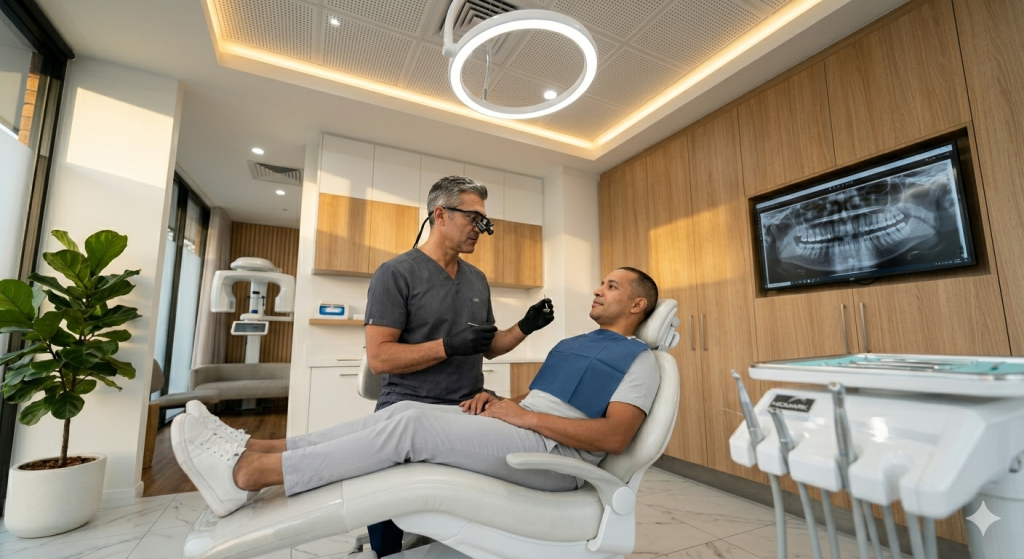
If losing teeth has left them avoiding smiles or favorite foods, All-on-4 dental implants in Prescott, AZ offer a reliable way to regain function and confidence with fewer implants and faster results than traditional full-arch methods. All-on-4 can often replace a full arch of teeth using just four strategically placed implants, giving Prescott patients a stable, natural-feeling smile—often on the same day.
This article explains how the All-on-4 approach works, who qualifies, what the procedure and recovery feel like, and how local factors like climate, lifestyle, and provider experience shape outcomes in Prescott. It also covers costs, financing, real patient experiences, and practical aftercare tips so they can weigh options and take the next step toward a comfortable, lasting smile.
Understanding All-on-4 Dental Implants
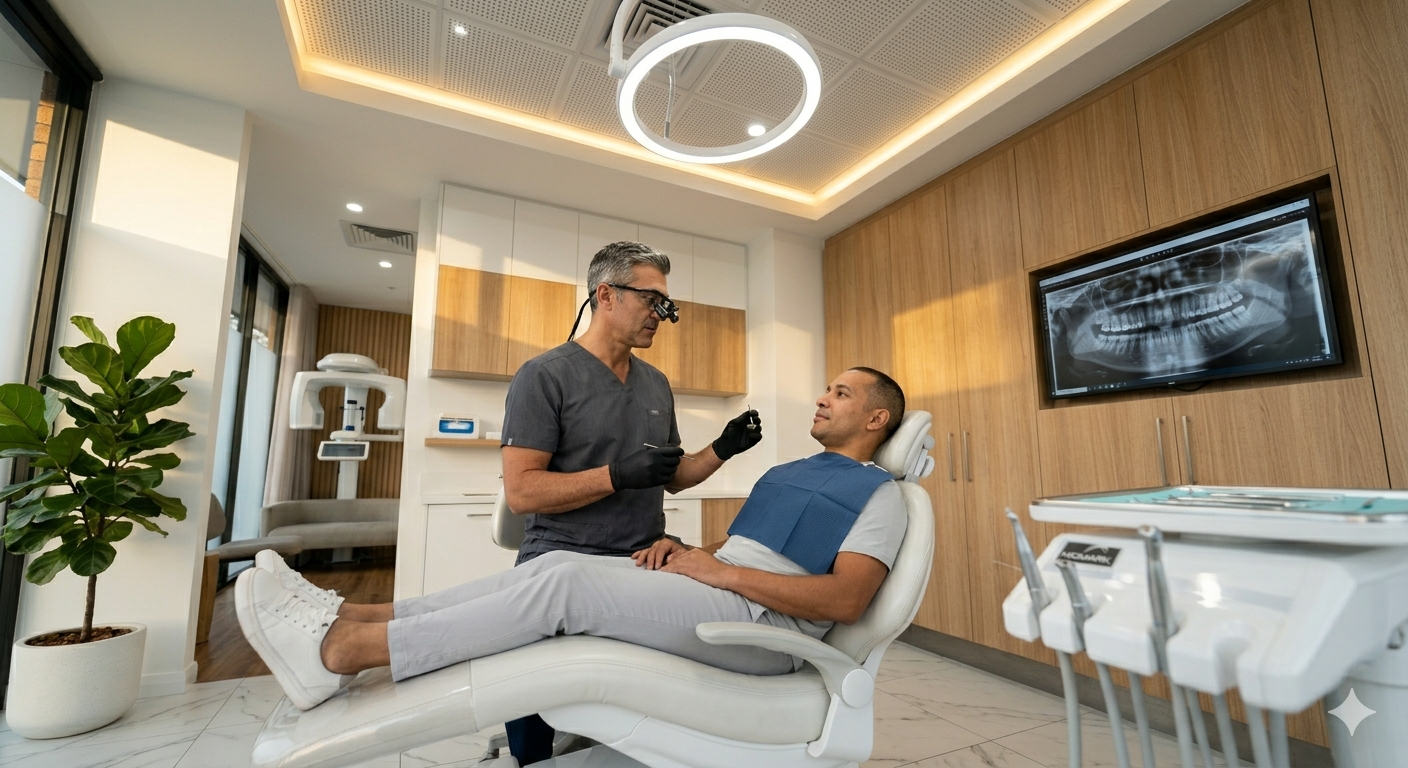
All-on-4 replaces a full arch of teeth using four strategically placed implants and a fixed prosthesis. It reduces treatment time, often avoids bone grafts, and restores chewing, speech, and appearance with fewer surgical sites.
What Sets All-on-4 Apart From Traditional Implants
All-on-4 uses four implants per arch, with the two posterior implants tilted up to 45 degrees to maximize bone contact. Traditional full-arch approaches often place six to eight implants and rely on uniform vertical placement.
Tilted posterior implants let clinicians use denser anterior bone, frequently eliminating the need for bone grafting. That shortens treatment time and reduces cost and recovery complexity for patients with moderate bone loss.
The prosthesis in All-on-4 is fixed and functions like a permanent bridge; patients cannot remove it. In contrast, some traditional solutions use removable overdentures on multiple implants.
Immediate loading is common: a temporary fixed bridge often attaches the same day as surgery. Many patients leave the office with functioning teeth, which differs from staged approaches that require months of healing before restoration.
How the All-on-4 Process Works
Initial evaluation includes a clinical exam, panoramic X-ray, and cone-beam CT to map bone density and nerve locations. The dentist plans implant angulation and prosthesis design based on jaw anatomy and esthetic goals.
Surgery involves extracting remaining teeth if needed, placing four implants (two vertical anterior, two angled posterior), and attaching a temporary prosthesis. Local anesthesia and sedation options keep patients comfortable during the procedure.
Healing takes several months while bone integrates with implant surfaces (osseointegration). The temporary prosthesis allows function during this phase. Once integration is confirmed, the clinician fabricates and fits a definitive prosthesis made of stronger materials like zirconia or reinforced acrylic.
Postoperative care focuses on oral hygiene, short-term diet modifications, and regular checkups to monitor healing and prosthesis fit.
Common Myths and Misconceptions
Myth: All-on-4 is always cheaper and better than other implant options. Reality: It can be cost-effective for many full-arch cases, but patients with specific anatomic or esthetic needs may benefit from alternative designs. A personalized consultation determines the best plan.
Myth: Bone grafts are never needed. Reality: Many patients avoid grafts due to implant angulation, but severe bone loss or sinus issues can still require grafting or sinus lifts. The CBCT scan clarifies the need.
Myth: The prosthesis is fragile or temporary only. Reality: Temporary bridges are for healing; the final prosthesis is engineered for durability and long-term function when properly maintained.
Myth: Recovery is unbearably painful. Reality: Most patients report manageable discomfort controlled with standard medications and clear aftercare instructions. Regular follow-ups and good oral hygiene reduce complication risks.
Benefits of All-on-4 for Prescott Residents
All-on-4 offers Prescott patients a reliable way to replace a full upper or lower arch with fewer implants, shorter treatment times, and prosthetics that restore chewing and speech. Many residents choose it to quickly regain function while minimizing bone grafting and clinic visits.
Restoring Full Smiles with Fewer Implants
All-on-4 uses four strategically placed titanium implants to support a fixed prosthesis that replaces an entire dental arch. For many Prescott adults with extensive tooth loss or failing dentition, this approach avoids placing an implant for every missing tooth and reduces the need for ridge augmentation.
The posterior implants are tilted to use denser bone in the front of the jaw, often eliminating the need for sinus lifts in the upper arch. Patients receive an immediate temporary prosthesis the same day as surgery in most cases, so they leave the clinic with teeth that look and function like natural crowns.
Long-term, a well-maintained All-on-4 prosthesis simplifies hygiene compared with removable dentures. Periodic professional checks and daily care around implant abutments keep the supporting bone healthy and prolong prosthesis life.
Improved Confidence and Quality of Life
Replacing a full arch with a fixed prosthesis restores predictable chewing force, enabling residents to eat a wider variety of foods. That practical change often leads to better nutrition and greater enjoyment of local foods and social dining.
A secure, non-removable prosthesis also stabilizes speech patterns that can change with missing teeth or loose dentures. Many patients report more comfortable public speaking and less worry about slippage while laughing or talking.
Cosmetically, technicians craft prosthetic teeth to match facial proportions and skin tone, offering a natural appearance that boosts self-image. The procedure addresses both function and aesthetics, helping patients feel more confident in work and social settings.
Faster Recovery and Fewer Appointments
All-on-4 typically requires fewer surgical visits than traditional implant protocols, which often need multiple stages and grafting procedures. In Prescott, this translates to fewer trips to the office and less disruption to work and family schedules.
Because immediate temporization is commonly possible, patients avoid prolonged periods without teeth or the inconvenience of removable dentures. Initial healing focuses on soft-tissue recovery and gradual bone integration over months, with routine follow-ups to adjust occlusion and monitor implant stability.
Efficient planning with CBCT imaging and guided surgery reduces chair time on the day of placement. Overall, the streamlined workflow lowers cumulative treatment time while keeping clinical outcomes predictable and manageable for busy local patients.
Candidacy and Suitability for All-on-4
All-on-4 suits patients who want a fixed, full-arch solution with fewer implants and shorter treatment time. Evaluation considers oral health, jawbone volume, medical history, and lifestyle to determine predictable, comfortable results.
Who Is an Ideal Candidate
Ideal candidates are adults with multiple failing teeth or fully edentulous arches who want to avoid removable dentures. They typically seek stable biting force, improved speech, and a fixed prosthesis that replaces an entire upper or lower arch.
Patients should have good oral hygiene habits and realistic expectations about maintenance and follow-up care. Heavy bruxers can still qualify but often need night guards or protective measures. Smokers may still be treated, but surgeons usually recommend quitting or reducing tobacco use to improve healing and success rates.
Those with controlled systemic conditions—like well-managed diabetes or hypertension—can often proceed after medical clearance. Comprehensive intraoral exams, CBCT scans, and diagnostic models confirm alignment, bone quality, and implant planning before committing to the procedure.
Addressing Bone Loss and Other Concerns
All-on-4 was developed to minimize the need for extensive bone grafting by placing two posterior implants at an angle to use available jawbone. This angled technique often allows immediate loading of a provisional bridge for quicker function.
Severe bone resorption may still require grafting or zygomatic implants for upper-arch cases; the treatment plan depends on CBCT measurements of ridge height and density. Soft tissue concerns—thin biotype or scarring from prior extractions—are managed with connective tissue grafts or mucogingival procedures when necessary.
Infection control comes first: active periodontal disease must be treated before implants. Pre-op antibiotics, antiseptic rinses, and careful surgical technique reduce infection risk and support predictable osseointegration.
Lifestyle and Health Considerations
Lifestyle factors significantly affect outcomes. Smoking and heavy alcohol use impair healing and increase implant failure risk; clinicians strongly advise cessation or reduction before and after surgery. Nutritional status matters too—adequate protein, vitamin D, and calcium support bone healing.
Medications such as bisphosphonates or immunosuppressants can complicate implant surgery; a physician consult helps weigh risks and timing. For patients on blood thinners, coordination with the prescribing provider optimizes bleeding control while maintaining safety.
Recovery and long-term success rely on the patient’s commitment to oral hygiene, routine dental visits, and wearing any prescribed protective appliances. Most practices offer a clear maintenance plan, including professional cleanings and periodic prosthesis checks, to preserve function and appearance.
If questions remain about candidacy or specific medical concerns, scheduling a consultation with a Prescott implant specialist helps tailor the plan to individual needs and goals.
All-on-4 Procedure Step-by-Step
This section explains how the team evaluates the mouth, places four implants, and transitions the patient from temporary teeth to a custom final prosthesis. Expect 3D scans, guided surgery, immediate temporaries in many cases, and a scheduled final restoration after healing.
Initial Consultation and 3D Imaging
The dentist reviews medical and dental history and performs a clinical exam of soft tissues, bite, and jaw function. They order a cone-beam CT (CBCT) scan to measure bone volume, sinus position, and nerve location, which determines whether standard angled All-on-4 implants will fit without bone grafting.
A digital intraoral scan or conventional impressions capture tooth and gum contours for planning and prosthesis design. The team discusses anesthesia options—local with sedation or IV sedation—plus expected costs and timeline. Patients receive a written treatment plan that lists implant sizes, provisional prosthesis type, and healing milestones.
Implant Placement and Temporary Teeth
Surgery usually lasts 2–3 hours per arch when done conventionally; guided, flapless cases can be shorter. The clinician places four implants—two near the front vertically and two angled at the back—to maximize support in available bone.
If primary stability is adequate, the lab or office fits a screw-retained temporary prosthesis the same day. The temporary restores chewing (soft foods recommended) and appearance while soft tissues settle. Post-op instructions cover pain control, cold packs, soft diet, oral rinses, and a short antibiotic or antimicrobial rinse if prescribed.
Follow-up visits occur at 1 week and 2–4 weeks to check healing and adjust the temporary. The implants undergo osseointegration over 3–6 months; during this time, the team monitors stability with clinical exams and occasional radiographs.
Receiving Your Final Smile
Once implants are stable, the dentist removes the temporary to take final digital scans or precise impressions for the definitive prosthesis. The lab fabricates a stronger, tooth-colored prosthesis—options include acrylic over a titanium bar or a full zirconia bridge—based on esthetic and functional goals.
A try-in appointment verifies bite, phonetics, and appearance. The clinician makes necessary adjustments and then torques the final prosthesis to manufacturer specifications for long-term retention. The patient receives home-care instructions: daily cleaning under the prosthesis with floss or a water flosser and routine professional cleanings every 3–6 months.
The office schedules periodic exams and radiographs to monitor bone levels and prosthesis fit. They encourage questions and a consultation to review specific implant options, cost estimates, and comfort-focused anesthesia choices.
What to Expect During Recovery
Recovery after all-on-4 implants typically involves manageable pain, gradual swelling, and a week or two of dietary limits. Most patients resume light activities within a few days and full oral function over several weeks as bone integrates with implants.
Managing Comfort After Surgery
Pain control usually centers on prescribed pain relievers and over-the-counter NSAIDs. The clinician often prescribes an opioid only for the first 48–72 hours if needed; ibuprofen 400–600 mg every 6–8 hours (unless contraindicated) provides strong anti-inflammatory benefit and reduces bleeding risk compared with stronger sedatives.
Swelling peaks 48–72 hours after surgery and improves noticeably by day 5–7. Applying a cold pack to the cheek in 15-minute intervals during the first 24 hours reduces swelling; switch to warm compresses after 48 hours if stiffness persists. Sleeping with the head elevated for the first 2–3 nights helps limit fluid pooling and discomfort.
Bleeding should be light; patients bite gently on gauze for 30–60 minutes after surgery and change it as instructed. Persistent heavy bleeding, severe pain uncontrolled by medication, fever, or numbness beyond predictable anesthesia timing requires immediate contact with the dental office.
Tips for Promoting Healing
Follow antibiotic directions precisely if antibiotics are prescribed to lower infection risk. Maintain oral hygiene by rinsing with a chlorhexidine or salt-water solution starting 24 hours post-op, using gentle swishes for 30 seconds twice daily to reduce bacterial load without disturbing the surgical site.
Avoid smoking and vaping for at least two weeks because nicotine impairs blood flow and slows bone integration. Attend all follow-up visits—typically 1 week, 1 month, and 3–6 months—so the team can check soft tissue healing, prosthesis fit, and osseointegration progress.
Report any sudden changes such as increasing pain after initial improvement, prosthesis looseness, or a visible opening at the implant sites. These signs can indicate infection or mechanical problems that respond best to early intervention.
Diet and Activity Recommendations
Stick to a soft-food diet for the first 2 weeks: foods like mashed potatoes, Greek yogurt, smoothies, scrambled eggs, and well-cooked pasta provide calories and protein without stressing the implants. Avoid seeds, nuts, chips, crunchy vegetables, and hard candy until the clinician clears a transition to firmer foods.
Chew primarily on the side opposite the surgical area when possible, and avoid sticky foods that can dislodge temporary prostheses. Maintain adequate hydration and consume protein-rich meals to support tissue repair; supplement with a protein shake if appetite is low.
Limit strenuous exercise and heavy lifting for 7–14 days because increased heart rate and blood pressure can prolong bleeding and swelling. Light walking is encouraged to aid circulation, but return to contact sports or vigorous activity only after explicit approval from the dental surgeon.
Caring for Your New Smile
Daily brushing, gentle flossing, and avoiding very hard foods protect the implants and prosthesis. Regular professional checkups and prompt attention to discomfort keep the implants stable and the gums healthy.
Daily Cleaning and Maintenance
Patients should brush twice a day with a soft-bristled toothbrush and low-abrasive fluoride toothpaste to remove plaque without damaging the prosthesis. Use a 45-degree angle along the gumline and clean all surfaces of the prosthetic teeth; short, gentle strokes work best.
Interdental cleaning matters: a water flosser set to a moderate pressure or interdental brushes (size chosen by the dentist) clean under and around the bar and implant abutments. Thread floss or specialized implant floss beneath the prosthesis where needed.
Avoid chewing ice, bones, or very hard candies that can fracture porcelain or acrylic teeth. If the prosthesis is removable for hygiene, follow the dentist’s soak-and-brush routine and store it in water or a recommended solution when not worn.
Follow-Up Visits and Checkups
Patients typically return for a post-op check within one week, then at one, three, and six months in the first year. After that, schedule professional exams every six months or as the dentist prescribes based on bone health and gum condition.
During visits, the clinician will check implant stability, tighten any loose screws, and evaluate the prosthesis fit. They will also take periodic radiographs to monitor bone levels around the implants and detect early signs of trouble.
Bring a list of symptoms—soreness, looseness, or changes in bite—to each appointment. Early reporting of any unusual bleeding, persistent discomfort, or mobility improves outcomes and limits costly repairs.
Long-Term Implant Health
Maintain a consistent oral hygiene routine and attend scheduled cleanings to reduce the risk of peri-implantitis. Smoking cessation and controlling diabetes significantly lower long-term implant complications; patients should discuss medical risk factors with their dentist.
Protect the prosthesis with a nightguard if the patient grinds teeth. Replace worn prosthetic teeth or acrylic overlays before they fracture; the dentist can reline or remake the prosthesis as needed to preserve fit and function.
Keep a record of implant components and manufacturer information for future maintenance or repairs. Contact the dental office promptly for any clicking, movement, or persistent pain so the team can address issues before they progress.
Comparing Costs and Financing Options
This section breaks down what patients typically pay, how insurance and payment plans can help, and how all-on-4 compares to other tooth-replacement choices in cost and long-term value.
Understanding Treatment Investment
All-on-4 in Prescott, AZ typically ranges from about $18,000 to $28,000 per arch, depending on factors like implant brand, bone grafting needs, and final prosthesis material. Clinics that use higher-end zirconia bridges and digital planning tend to be at the top of that range, while basic acrylic-over-titanium bars sit lower.
Initial fees usually cover consultation, CBCT imaging, surgery, immediate provisional teeth, and lab work. Watch for separate charges: sedation, extractions, bone grafts, and final prosthesis adjustments can add $1,000–$5,000. Patients should request a written estimate that itemizes each charge and shows the cost difference between provisional and final restorations.
Ask the clinic about warranty terms for implants and prostheses. Some practices include a limited warranty on the prosthesis or maintenance visits; others offer extended-warranty packages for an extra fee. Knowing warranty scope reduces surprise expenses later.
Insurance and Payment Plans
Most dental insurance does not fully cover all-on-4, but many plans will cover portions such as extractions or limited prosthetic benefits. Patients should submit a pre-treatment estimate to their insurer to learn coverage limits and annual maximums before scheduling surgery.
Many Prescott practices work with third-party medical/dental lenders (CareCredit, LendingClub, etc.) offering 6–60 month plans; rates and approved amounts vary by credit. In-house financing is common: typical plans split the balance into an interest-free initial period followed by longer-term payments with interest.
Tax-advantaged options include using HSA or FSA funds for eligible dental expenses. Patients should confirm eligibility with their plan administrator and save all receipts. Request a payment agreement that details down payment, monthly payment, late fees, and what happens if additional treatment becomes necessary.
Value Versus Other Tooth Replacement Solutions
Compared with removable dentures, all-on-4 provides greater chewing efficiency and stability, often lasting longer with proper care. Removable dentures cost less upfront—commonly $1,000–$3,000 per arch—but require frequent relining and replacement, which raises lifetime cost.
Compared with traditional implant-supported individual crowns for each tooth, all-on-4 often reduces surgical complexity and implant count, lowering total cost and treatment time for full-arch replacement. Full-arch implant crowns can exceed the all-on-4 price significantly when many implants are required.
Patients should weigh immediate price against long-term maintenance, oral health benefits, and quality of life. Request side-by-side estimates for dentures, implant-retained overdentures, and all-on-4 to compare initial cost, expected maintenance, and projected longevity before deciding.
Choosing a Provider in Prescott AZ
Choosing a provider means balancing surgical skill, implant experience, and individualized care so a patient gets predictable results and a comfortable experience. Practical factors such as location, technology, and clear financial options also affect whether a provider fits a patient’s needs.
Qualities of an Experienced Implant Dentist
Look for a dentist with specific implant training beyond dental school, such as residency in oral surgery, prosthodontics, or continuing education in implantology. Credentials to expect: fellowship or diplomate status from recognized implant organizations, and documented experience placing and restoring All-on-4 cases.
Verify the practice uses cone-beam CT (CBCT) imaging and digital treatment planning. These technologies improve implant positioning and reduce surgical surprises. Ask for a before-and-after gallery of full-arch cases and contactable patient references for similar procedures.
Team expertise matters as much as the lead clinician. A coordinated staff—an experienced surgical assistant, dental lab partnership, and a prosthodontist or lab tech involved in final restorations—produces better long-term outcomes.
Questions to Ask During Consultation
Ask how many All-on-4 procedures the dentist has completed in the past year and request success and complication rates. Inquire about anesthesia options—local with sedation, IV sedation, or general anesthesia—and who administers and monitors sedation.
Request a walk-through of the full treatment timeline: imaging, bone-graft contingency plans, surgery length, provisional prosthesis timing, and final restoration schedule. Ask how they handle failed implants or adjustments to the prosthesis.
Clarify financial details: itemized estimates, what’s included (surgery, prosthesis, follow-up visits), warranty on the prosthesis, and payment or financing plans. Confirm post-op care: frequency of follow-ups, hygiene instructions, and emergency contact procedures.
Importance of Personalized Care
Personalized care starts with a thorough medical and dental history review, including medications, smoking status, and chronic conditions like diabetes that affect healing. Expect a tailored treatment plan that explains how these factors influence implant selection and timing.
Look for practices that create custom prostheses to match facial profile, speech needs, and bite function rather than one-size-fits-all solutions. Ask whether the provider uses guided surgery templates and provisional restorations to test esthetics and function before finalizing the case.
Comfort and communication are essential. The team should explain risks, alternatives, and long-term maintenance in plain language, and offer sedation or anxiety-management options. A clear, individualized follow-up plan helps protect the investment and supports long-term success—encourage the patient to schedule an initial consult to review options and concerns.
Real Patient Experiences in Prescott
Patients describe clear, practical benefits: faster recovery, restored chewing, and improved confidence after receiving all-on-4 implants in Prescott. Many highlight the clinic’s personalized care, predictable timelines, and local follow-up that makes long-term maintenance easier.
Stories of Smile Transformations
Mrs. Alvarez, a retired schoolteacher, regained the ability to eat steak and laugh without covering her mouth. She had struggled with failing upper teeth for years; after a single-day surgery and temporary bridge, she walked out with stable teeth and returned for the final prosthesis six months later. Her follow-up notes praise the clinic’s sedation options and the dental lab’s natural-looking acrylic teeth.
Mr. Kim, a construction foreman, needed a durable solution for lower-arch collapse. He chose all-on-4 for fewer implants and quicker recovery. He reported regaining bite strength and fewer sore spots than with prior dentures. The Prescott team adjusted his occlusion at one appointment, and he resumed work within two weeks.
Addressing Common Fears and Hesitations
Many patients worry about pain and long recovery; local practices in Prescott emphasize multiple comfort measures. They offer IV sedation, local anesthesia, and postoperative prescriptions; most patients report manageable discomfort for 48–72 hours and clear, written aftercare instructions for swelling and diet.
Cost and permanence also cause hesitation. Clinics provide financing plans, phased treatment options, and warranties on prostheses. They explain bone requirements, CT-based planning, and when bone grafting might be necessary, so patients make informed choices without unexpected procedures.
Taking the Next Step Toward a Confident Smile
Patients often feel unsure about starting implant treatment, and a brief consultation clears most questions. The dentist reviews medical history, performs imaging, and explains whether All-on-4 suits their needs.
A simple checklist helps people prepare: bring a list of medications, recent dental records, and any dental insurance information. This makes the appointment efficient and reduces stress.
Many practices offer a treatment timeline so patients know what to expect. It covers initial consult, imaging, surgery day, and follow-up visits, with typical healing milestones noted.
Cost and financing matter, and the dental team discusses options openly. They outline estimates, payment plans, and insurance possibilities so patients can make informed choices.
Comfort and safety are priorities during every step of care. Modern sedation options and experienced surgical teams keep procedures calm and predictable.
Patients benefit from asking questions about aftercare, diet changes, and cleaning routines. Clear post-op instructions and scheduled check-ins support healing and long-term success.
If patients want to explore All-on-4, the clinic invites them to schedule a consultation or call with questions. A friendly team member can arrange imaging and explain next steps.
Frequently Asked Questions
This section answers common, practical concerns about All‑on‑4 in Prescott, including candidate eligibility with bone loss, exact timeline from consult to fixed teeth, same‑day temporary options, daily feel versus dentures, expected recovery discomfort, and considerations for autoimmune conditions.
Am I a good candidate for full-arch implants if I’ve been told I have bone loss?
Many patients with moderate jawbone loss still qualify for All‑on‑4 because the technique angles posterior implants to use available bone.
If bone is severely reduced, the team evaluates CT scans and may recommend bone grafting or zygomatic implants, but often avoids extensive grafts by planning strategically.
The dentist assesses medical history, oral health, and smoking status.
A personalized plan and 3D imaging determine whether immediate implants or preparatory treatments are needed.
How long does the All-on-4 process take from consultation to having a secure, full smile?
Initial consult and 3D imaging usually occur in one visit and take about 60–90 minutes.
Treatment planning and fabrication of a surgical guide and provisional prosthesis typically require 1–2 weeks.
Surgery and placement of implants with a temporary fixed prosthesis often happen on a single day.
Final prosthesis is delivered after 3–6 months of healing and osseointegration, depending on bone quality.
Will I be without teeth at any point, or can I get temporary teeth the same day?
Most patients receive a fixed temporary prosthesis the same day as implant surgery, so they are not toothless.
The temporary restores appearance and basic chewing while implants integrate.
Occasionally, extraction sites or infection require delayed temporaries, but the clinic discusses this in advance.
Temporary prostheses are designed for comfort and function until the final bridge is ready.
What does All-on-4 feel like compared to wearing dentures day to day?
All‑on‑4 feels more stable and natural because the prosthesis is anchored to implants instead of resting on gums.
Patients report better chewing confidence and fewer sore spots than with removable dentures.
Speech often improves because the prosthesis is fixed and does not shift.
Cleaning routines differ: daily cleaning under and around the bridge complements routine hygiene visits.
How much discomfort should I expect during recovery, and how do you keep patients comfortable?
Mild to moderate discomfort, swelling, and bruising are normal for 3–7 days after surgery.
The clinic prescribes pain control, anti‑inflammatories, and clear post‑op instructions to manage symptoms.
Cold packs, a soft‑food diet, and short rest periods help recovery.
Follow‑up calls and appointments ensure pain stays controlled and healing progresses.
If I have an autoimmune condition, can I still safely get dental implants?
Many people with controlled autoimmune conditions can receive implants, but each case needs medical clearance.
The dentist coordinates with the patient’s physician to review medications, immune status, and infection risk.
Certain immunosuppressive drugs can raise complication risk; adjustments or additional precautions may be needed.
A tailored plan and more frequent monitoring help optimize outcomes and safety.
If they want personalized guidance or to schedule an evaluation, encourage them to contact the Prescott office for a consultation and 3D imaging.